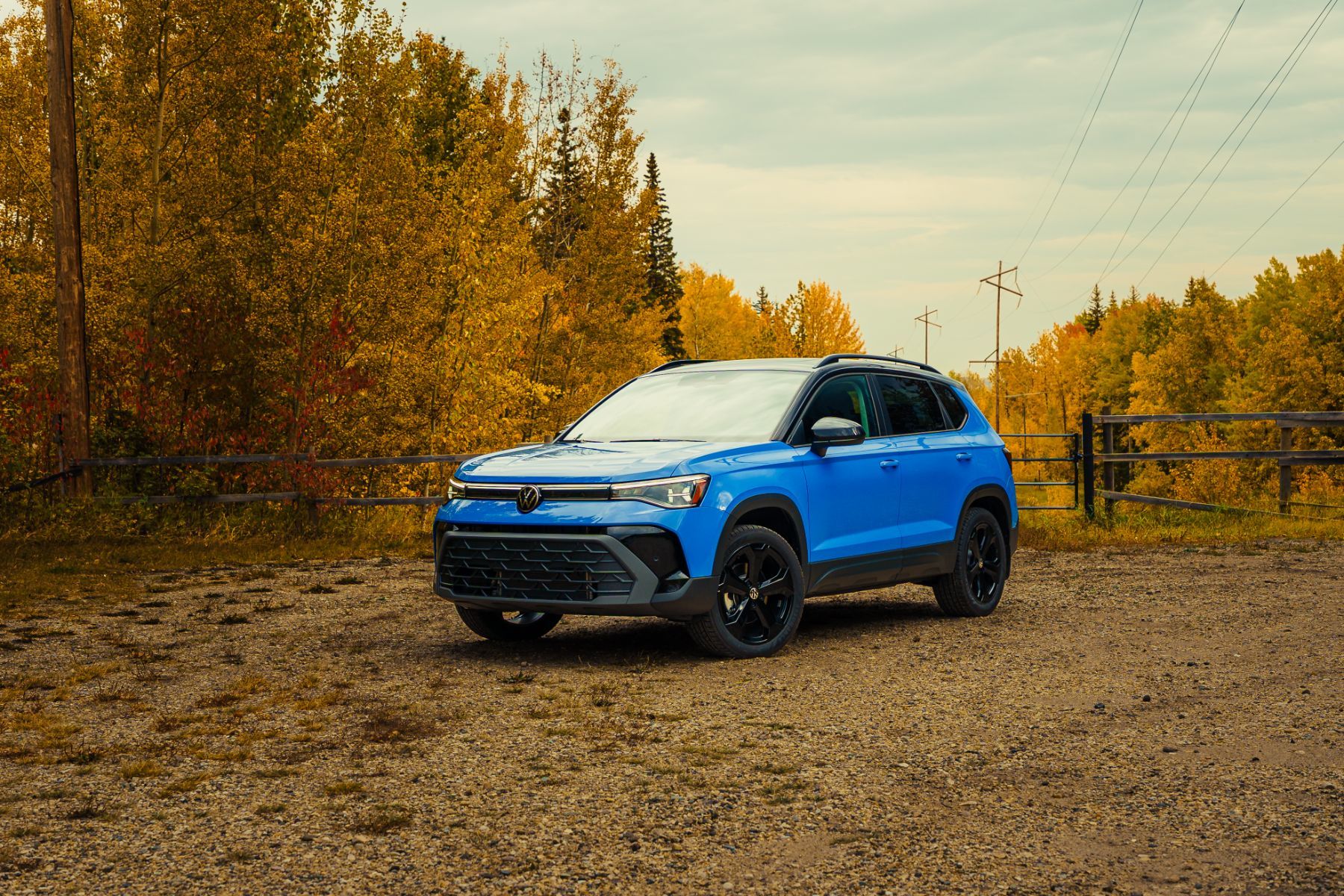
Your Guide to the 2027 Volkswagen Taos Lineup: Find the Right Trim for Life in Calgary
2027 Volkswagen Taos Trim Guide: Which One Fits Your Calgary Lifestyle? Your next SUV should fit more than your driveway. It should fit your...
Read more
Taza Park Volkswagen
5909 Weaselhead Rd, Calgary, AB, T3T 0E5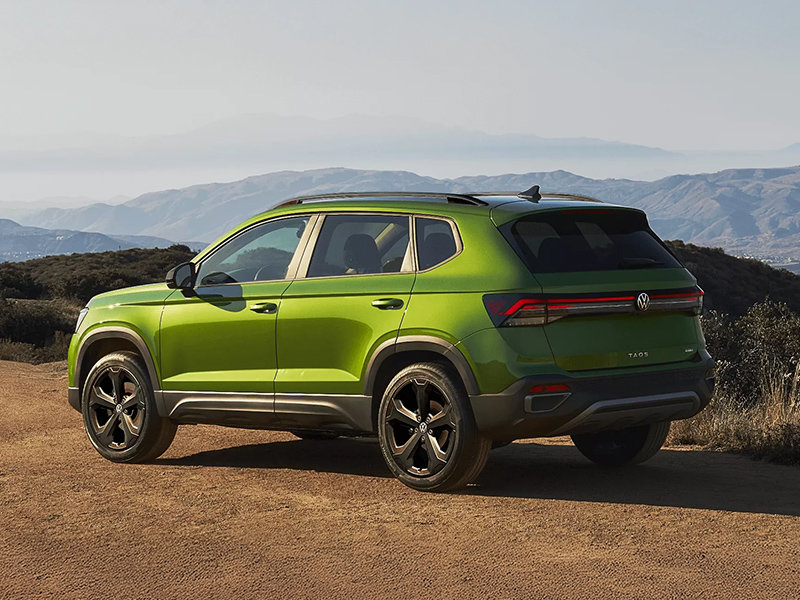
Volkswagen’s SUV lineup offers two extremely compelling options for compact utility vehicles: the 2026 Volkswagen Taos and the newly redesigned 2026 Volkswagen Tiguan. While they might seem similar at first glance to both five-passenger SUVs with turbocharged engines and available all-wheel drive, the truth is, these two models have very different personalities and are tailored to different kinds of drivers.
This comprehensive comparison will walk you through key areas including performance, fuel economy, interior dimensions, cargo capacity, daily usability, and overall value, helping you decide which Volkswagen SUV best suits your lifestyle.
Powertrains: Efficiency or Performance?
At the heart of the 2026 Taos is a 1.5-litre turbocharged inline-4 engine, producing 174 horsepower at 5,500 rpm and 184 lb-ft of torque at just 1,750 rpm. This engine, paired with a smooth automatic transmission, delivers surprisingly punchy acceleration in the city and enough highway passing power for most users. It's also engineered for efficiency, thanks to Volkswagen’s advanced direct-injection technology and modern turbocharger design.
The Tiguan, however, steps things up a notch. It features a 2.0-litre turbocharged inline-4 that puts out 201 horsepower at 5,000 rpm and a more robust 221 lb-ft of torque at 1,500 rpm. This low-end torque makes a significant difference in real-world driving. Whether you’re merging onto a busy highway or overtaking slow-moving traffic, the Tiguan feels more muscular and confident.
It’s worth noting that the Tiguan offers both front-wheel drive (on lower trims) and Volkswagen’s 4MOTION all-wheel-drive system. The Taos also offers AWD across much of the lineup, though front-wheel drive remains standard.
Fuel Consumption: Taos Saves, Tiguan Powers Through
Fuel economy is one of the most important considerations for many SUV shoppers, and in this respect, the Taos is the clear winner. Here’s how they compare:
|
Fuel Consumption (L/100 km) |
Taos (FWD/AWD) |
Tiguan (AWD) |
|---|---|---|
|
City |
8.3 – 9.4 |
10.5 |
|
Highway |
6.4 – 7.2 |
7.8 |
|
Combined |
7.4 – 8.4 |
9.3 |
The Taos’ lighter weight and smaller engine give it an advantage for those who spend more time in stop-and-go traffic or commuting long distances. However, if you don’t mind the extra trips to the pump in exchange for stronger performance, the Tiguan’s powertrain remains very competitive for its class.
Interior Dimensions: Headroom or Legroom?
Volkswagen is known for clever interior packaging, and both SUVs do an excellent job of maximizing cabin space within compact footprints. However, there are key differences depending on whether front-seat or rear-seat comfort is your priority.
|
Dimension |
Taos |
Tiguan |
|---|---|---|
|
Front Head Room |
1,003 – 1,034 mm |
970 – 1,003 mm |
|
Front Leg Room |
1,019 mm |
1,021 mm |
|
Rear Head Room |
986 – 1,011 mm |
960 – 1,008 mm |
|
Rear Leg Room |
963 mm |
1,021 mm |
|
Rear Shoulder Room |
1,402 mm |
1,415 mm |
The Taos provides better headroom, which is a major advantage for taller drivers or those who regularly wear hats or helmets (e.g., cycling, skiing). The Tiguan, however, is noticeably better for rear-seat passengers, with more leg and shoulder room ideal for growing families or adults in the second row.
Cargo Versatility: Who Packs More?
Cargo capacity is a surprising win for the Taos in certain configurations. Despite being the smaller vehicle, it offers more total cargo space with the rear seats folded down than the Tiguan.
|
Cargo Volume |
Taos |
Tiguan |
|---|---|---|
|
To First Row (Max) |
1,705 – 1,866 L |
1,668 L |
|
To Second Row (Seats Up) |
705 – 790 L |
750 L |
The variance in Taos cargo space depends on trim and drivetrain. Some AWD variants offer slightly less capacity due to the drivetrain layout. Nevertheless, if you frequently haul gear like hockey bags, camping equipment, or even pets with crates, the Taos might surprise you.
The Tiguan, for its part, provides easier access to cargo with a slightly wider tailgate opening and a more substantial floor height, which may matter for heavier items.
Ride Quality, Driving Feel & Technology
Both SUVs come with modern suspension setups that strike a balance between sporty road manners and comfort. That said, the Tiguan feels more planted at highway speeds, thanks to its longer wheelbase and heavier build. Steering is light in both vehicles, but the Taos feels more agile in tight urban spaces.
Technology across both lineups includes:
The Tiguan tends to offer a few more upscale options (like power tailgate, adaptive cruise, and a larger infotainment screen) on more trims, but both vehicles are well equipped relative to the market.
Verdict: Taos or Tiguan?
It’s not a question of which SUV is better it’s which one is better for you.
Choose the 2026 Taos if:
Choose the 2026 Tiguan if:
Volkswagen has given you two excellent compact SUV options. Your decision comes down to how you drive, who you drive with, and what you value most in your next vehicle.
Your Guide to the 2027 Volkswagen Taos Lineup: Find the Right Trim for Life in Calgary
2027 Volkswagen Taos Trim Guide: Which One Fits Your Calgary Lifestyle? Your next SUV should fit more than your driveway. It should fit your...
Read more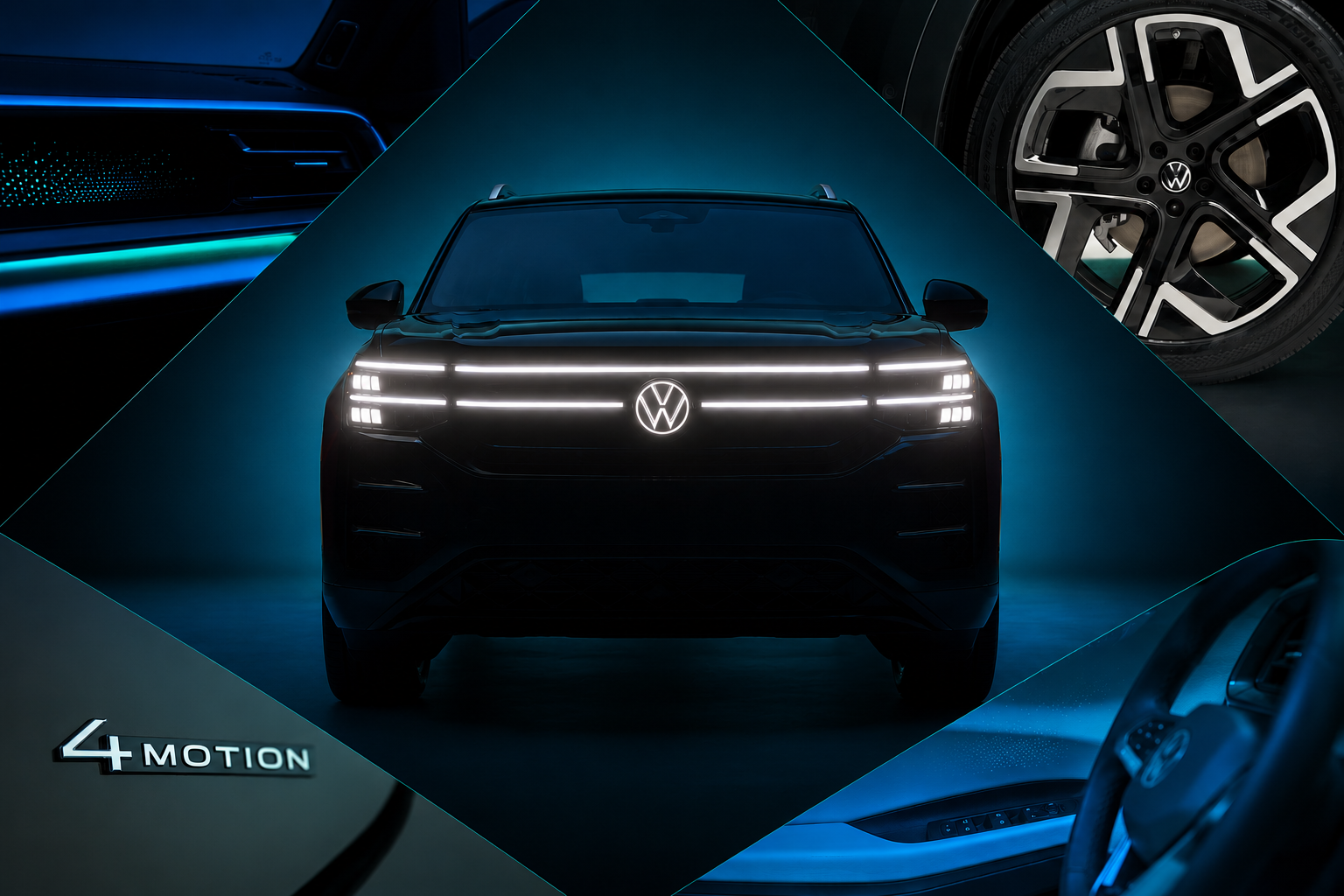
Introducing the All-New 2027 Volkswagen Atlas
The next generation is here! Come see it for yourself at the dealership. The first 2027 Atlas has landed at Taza Park Volkswagen! Come down, check...
Read more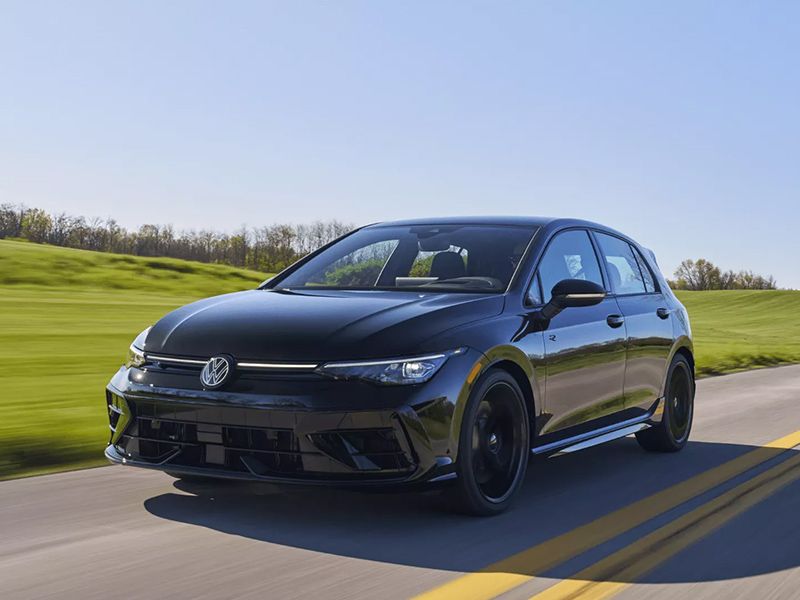
In-Depth Look at the History of the Volkswagen Golf R
Few nameplates in the hatchback world carry the same performance legend as the Volkswagen Golf R. From humble beginnings in the early 2000s to its...
Read morePowered and developed by